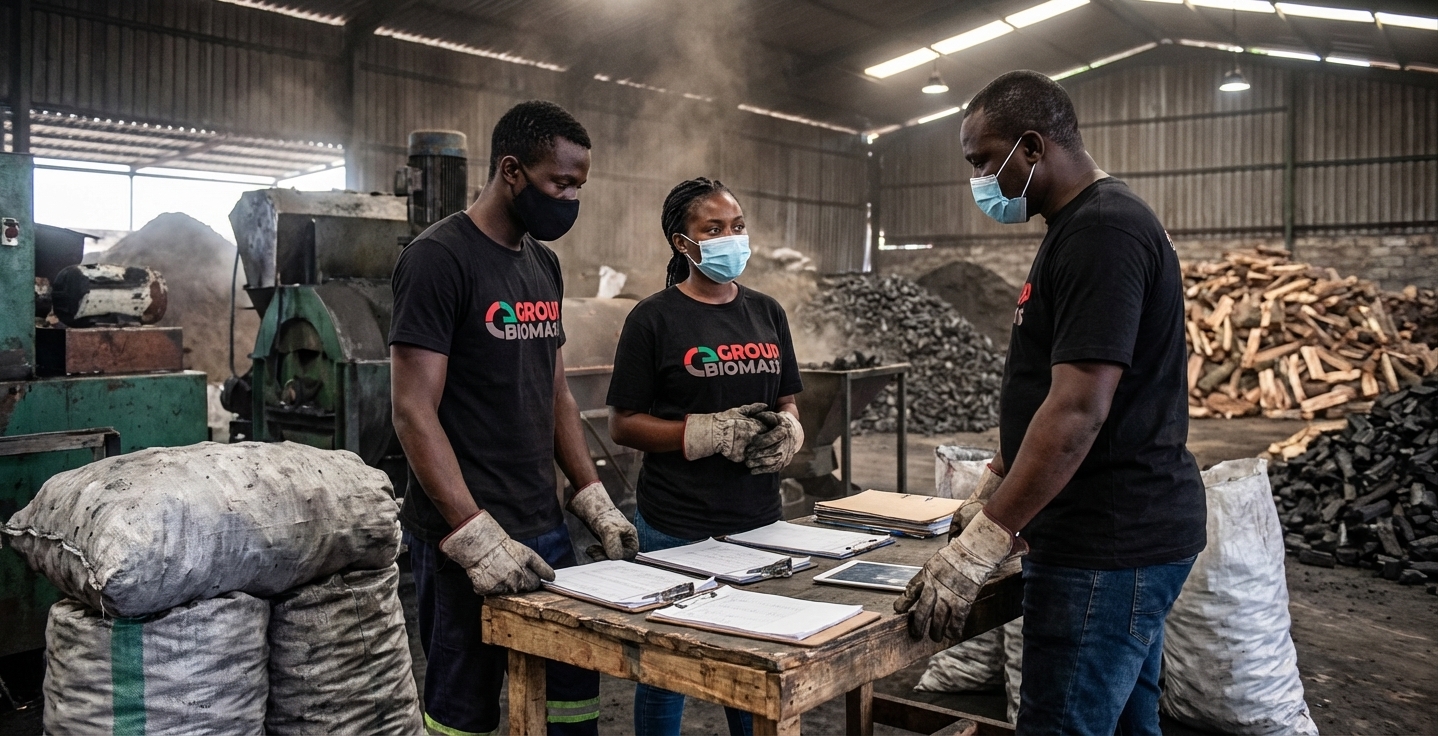
Deep within Cameroon , a massive operation stands as a testament to the rising demand for wood fuel . This commercial complex, reportedly the country’s premier charcoal factory , is raising attention for both its output and the potential environmental ramifications. While offering jobs for regional communities, the factory's processes are prompting questions about responsible forest practices and the overall well-being of Cameroon’s forests .
Hardwood Lump Charcoal Export Boom: Cameroon’s Promising Player
Cameroon is experiencing a significant surge in dense lump carbon sales, positioning itself as a major source in the global sector. Fueled by expanding demand from the US and Pacific markets, the nation’s output of this renewable fuel is rapidly expanding, offering valuable avenues for regional farmers and strengthening the national prosperity. The focus on environmentally friendly wood granulated carbon is demonstrating to be a essential factor in securing global customers.
Inside Cameroon’s Hardwood Lump Charcoal Factory: Production & Sustainability
Stepping into a average Cameroon timber lump charcoal factory reveals a surprisingly straightforward process of creation. Raw wood, often obtained from responsible woodlands, are carefully logged and carried to a kiln. Within this area, the wood is carefully burned with restricted oxygen, a procedure that changes it as granular charcoal. Although the conventional methods used can here be labor-intensive, more new factories are integrating refined techniques and trying ways to enhance the output and nature sustainability. This encompasses dedicating in clean power and implementing thorough scrap management approaches.
Cameroon's Wood Charcoal Industry : A Significant Player in International Shipments
Despite mounting environmental concerns , Cameroon’s wood charcoal trade remains a surprising and vital role in the global shipment landscape. The creation of charcoal from forest biomass is a essential foundation of income for countless of Cameroonian households , particularly in remote zones. This practice generates a substantial amount of charcoal heading for foreign destinations , often fueling cooking needs in other nations , though this reliance creates difficulties relating to forest loss and eco-friendly woodland stewardship .
La Face à Charbon de Bois Massif en Bois Dur et Les Briquettes: Une Regard Camerounaise
En le pays, le décision face à un charbon de bois dur lump et les briquettes soulève une interrogation . Classiquement, , le combustible de bois dur a toujours été utilisé afin de ses arôme distinctif et sa qualité à produire une chaleur intense , appropriée pour la grillades régionales. Cependant, , des briquettes , davantage disponibles à acquérir et moins chères , gagnent à popularité , particulièrement dans les régions modernes.
Sustainable Charcoal Creation : The Future of Cameroon’s Timber Sector
The conventional method of charcoal creation in Cameroon presents a major threat to its valuable hardwood timberlands. However, emerging sustainable approaches offer a hopeful path forward. These encompass technologies like biomass waste gasification and kiln-less earth systems, which minimize deforestation, cut emissions, and create economic opportunities for local villagers. Embracing these eco-friendly alternatives is critical to preserving Cameroon's precious heritage and ensuring the long-term viability of its hardwood industry while addressing climate impacts .